

The effects of alcoholism are wide-ranging and can impact every aspect of a person’s life. Family and friends of individuals with co-occurring AUD and NPD may feel overwhelmed or unable to help. Narcissists manipulate others to achieve their own interests, and any attempt at an intervention may cause them to strike out physically or emotionally. Pathways Recovery Center helps families and friends stage effective interventions for loved ones struggling with AUD and NPD. Individuals with NPD may do whatever it takes to achieve power, beauty, and admiration, even if it causes great harm, like Narcissus in the Greek tragedy. Risk-taking behaviors, including alcohol and drug abuse, are common in individuals with NPD.

When they abuse alcohol and develop a dependence on drinking, they may not accept or admit that there’s anything wrong with their life. The current study explored the relationship between narcissism and alcohol use, alcohol-related problems, problem recognition, evaluation, and problem expectancies in a college population. Grandiose and vulnerable narcissism differentially predicted all five of the outcomes. Red flags can include manipulation, entitlement, blame‑shifting, low empathy, and denial, alongside AUD indicators such as loss of control, withdrawal symptoms, and ongoing use despite harm. A professional evaluation can differentiate temporary alcohol‑related behaviors from enduring NPD patterns.
With treatment, those with NPD can live healthy lives with positive relationships. When people have a mental health condition that co-occurs with a substance misuse disorder, such as AUD, doctors may refer to this as dual diagnosis. A 2019 study looked at the link between narcissism and alcohol consumption in a questionnaire of 345 college students.
Seeking help
Alcohol provides them with a temporary escape from their inner turmoil and a false sense of grandiosity, which aligns with their narcissistic tendencies. Individuals with narcissistic personality traits may be more susceptible to substance abuse, including alcoholism. Narcissism is characterized by an excessive preoccupation with oneself, a sense of entitlement, a lack of empathy, and a need for admiration. These traits can contribute to a higher risk of engaging in risky behaviors, such as substance abuse.
Alcohol abuse exacerbates these traits, causing mood swings and unpredictable behavior. Loved ones may feel they are walking on eggshells, never knowing what to expect. Trust issues often arise as the narcissistic alcoholic may lie or manipulate to cover up their drinking habits. Narcissistic Personality Disorder (NPD) is a mental health condition defined in the Diagnostic and Statistical Manual of Mental Disorders, 5th Edition, Text Revision (DSM-5-TR). It is marked by a pervasive pattern of grandiosity, need for admiration, and lack of empathy.
Living With An Alcoholic Narcissist
Reach out to loved ones you trust who can walk with you through the recovery journal. This is equally important if you live with someone dealing with these alcoholism symptoms conditions. However, not every mental health issue is easily resolved, and NPD is a key example.
Impact on Relationships
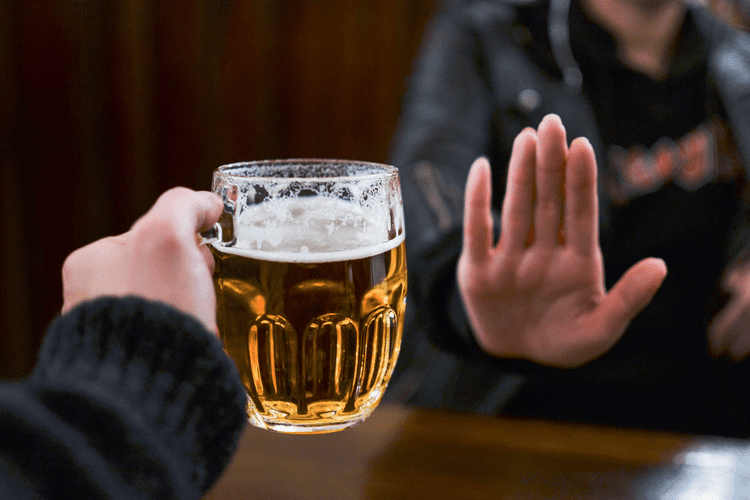
And overcoming these barriers is essential to achieving addiction recovery, so you should not let them hold you back from seeking treatment. Everyone has a reason for the way they act, and an alcoholic narcissist might tell you a perfectly good reason for why they should drink, whether or not those reasons are justifiable. They might view their problem as a personal shortcoming or a failure that they are embarrassed to open up about. They may drink excessively to avoid taking accountability for their behavior as they believe their drunk behavior may not be counted.
Understanding Covert Narcissism and Alcoholism
Ultimately, the correlation between narcissism and alcoholism highlights the need for integrated treatment approaches that address both personality traits and substance use. By understanding the underlying motivations for alcohol abuse in narcissists, clinicians and loved ones can offer more effective support, fostering healthier coping mechanisms and long-term recovery. Recognizing this connection is the first step toward breaking the cycle and promoting lasting change. NPD is a mental health condition in which a person displays a pattern of grandiose behavior, lack of empathy for others, and need for excessive attention and admiration 2. Narcissistic personality disorder (NPD) and alcohol use disorder (AUD) are closely linked and can occur together as a dual diagnosis. NPD increases the risk of alcohol abuse as a means to escape difficult emotions.
Prognosis for Narcissism and Alcoholism
John’s story is just one example of how narcissism and addiction can intertwine, each feeding off the other like a twisted symbiotic relationship. But here’s where things get really interesting – the overlapping behaviors and symptoms. Both alcoholics and narcissists often exhibit poor impulse control, difficulty maintaining healthy relationships, and a tendency to blame others for their problems. They’re masters of denial, refusing to acknowledge the harm they cause to themselves and others. It’s like watching two destructive forces joining hands to create a perfect storm of chaos and confusion.
ADHD and Sugar Addiction: The Complex Interplay and Strategies for…
- Seek treatment and support if you or someone you know has alcohol use and narcissistic personality disorders.
- When these two disorders co-occur, their effects can amplify each other, leading to more severe emotional, behavioral, and interpersonal challenges.
- Living with or supporting a narcissistic alcoholic requires specific strategies.
- Therapy is one of the most effective forms of treatment for clients with NPD and co-occurring AUD.
There are resources available, from therapists specializing in dual diagnosis to support groups for loved ones affected by narcissistic behaviors. The intersection of covert narcissism and addiction isn’t just https://ecosoberhouse.com/ an individual or family issue; it has broader societal implications. In a culture that often rewards narcissistic traits and turns a blind eye to addiction, addressing these interconnected problems becomes even more challenging.
Alcoholic Narcissist: How Alcoholism and Narcissism Overlap—and What Actually Helps
For a person to recover fully, they’ll generally need treatment that addresses both disorders. A person with narcissistic personality disorder may have an inflated or grandiose sense of self-importance or worth and experience feelings of entitlement. Healthcare professionals may ask people about their drinking habits to assess AUD. A psychiatrist may carry out a standard psychiatric interview, which healthcare professionals use to diagnose personality disorders. Healthcare professionals may also use the Narcissistic Personality Inventory to diagnose narcissism. The narcissist-like behavior of some alcoholics may only be a result of their addiction—it may not be how they really are when sober.

They believe that alcohol provides them an escape to a world where they are worry-free, boss of their feelings and thoughts, and ruler of their fantasy kingdom. Thus they believe alcohol gives them an escape from the reality of life and situations. But they narcissism and alcoholism believe that if they drink, they can unleash more of their narcissistic side to people as people are more accepting when someone is drunk. So when they drink they may be more relaxed and less stressed about unveiling their nasty side to people. Sometimes they are at their worst behavior and sometimes they may be at their best behavior when they drink. When they are around people who may seem to give them a superiority complex, they act nasty.
Leave Your Comment